

A hard drive can look perfectly fine and still be quietly ruined. The circuit board on its underside is exposed, and a single careless touch can send a damaging discharge through it. Whether you refurbish drives, run a data centre or sell spares online, choosing the right static bags for hard drives is one of the simplest ways to protect your stock. Here is how to think it through.
The Exposed Board Problem
Unlike many gadgets, a bare drive has no casing around its electronics. The controller board sits right on the surface, with contacts and chips open to the air. Any handler, shelf or cardboard divider can pass charge directly onto it. That openness is exactly what makes drives so vulnerable during everyday handling. Gloves alone do not solve it.
Spinning platters get most of the attention, because physical shock is easy to imagine. Electrical damage is harder to picture, so it gets ignored. Yet a drive that fails after a static event often shows no obvious clue, and the owner simply assumes the unit was faulty from the start. Returns climb, and nobody knows why.
Packing Is Where Most Mistakes Happen
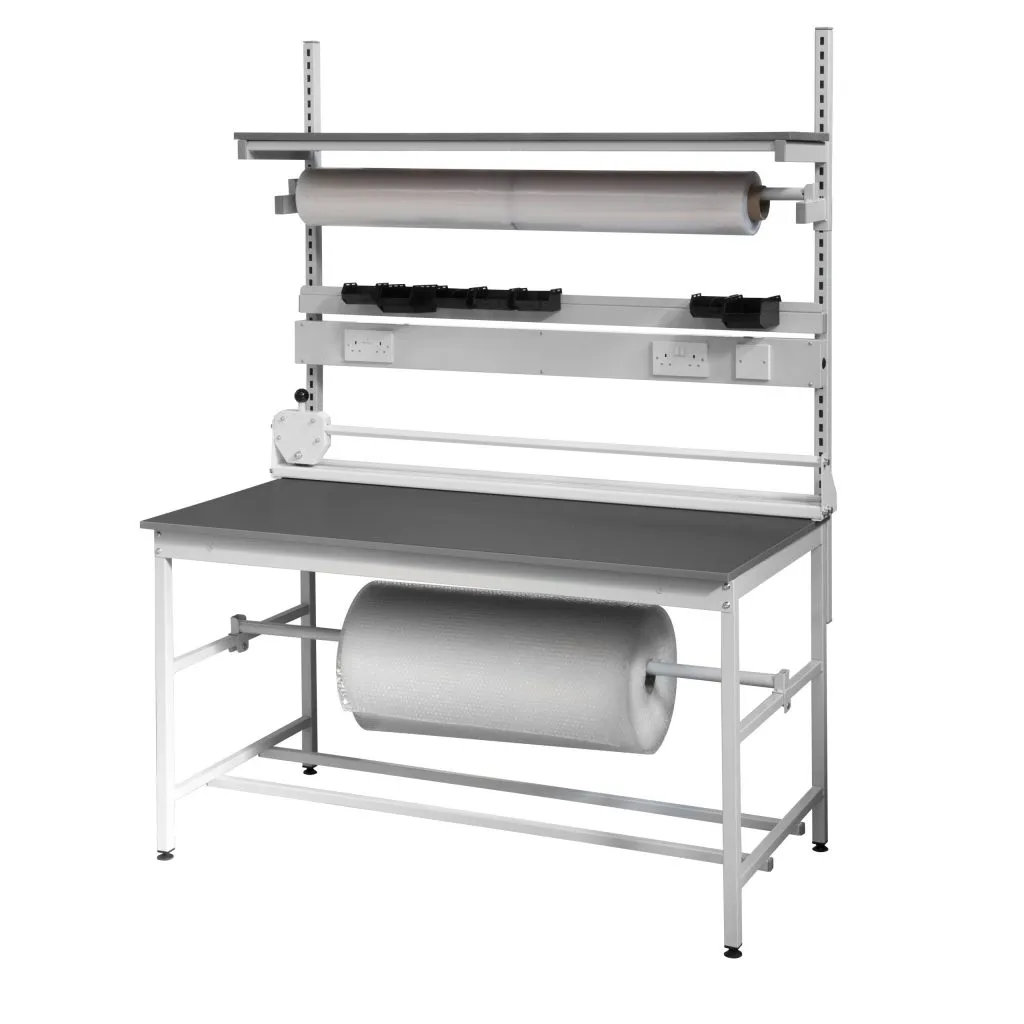
Drives are often handled fastest at the end of the line, when boxes are being taped and labelled. A dedicated packing bench gives that stage a controlled surface, so bagging happens on a grounded area rather than an ordinary desk. Speed and safety can coexist when the layout is right. Place bags, labels and tape within easy reach.
Think about the sequence. Unpack the drive at the bench, slide it into its bag, seal it, then move it to the box. Never carry a bare drive across the room to find packaging. Every extra step in open air is another chance for charge to find the board. Lay the workflow out so the bag is always the first thing within reach.
What a Shielding Bag Actually Does
A good bag works like a small metal cage. Its layered film spreads and blocks external fields, so the drive inside stays protected even when the bag itself picks up a charge. Think of it as a shell that keeps trouble outside. The effect is silent, passive and needs no batteries or training. Just close it properly.
Size and sealing matter. A bag that is too tight strains the connectors, while one that is too loose lets the drive slide around. Fold or seal the opening fully, then add cushioning outside the bag, not inside, so nothing rubs against the film and generates fresh charge. Good habits here cost nothing.
Storage Between Jobs
Stock that sits on a shelf for weeks still needs protection. Keep drives bagged until the moment they are needed, and label the outside so nobody opens a bag just to check what is inside. Fewer openings mean fewer risks. A tidy shelf is a safe shelf. Rotate stock so older drives leave first.
Temperature and humidity also play a part. Very dry air encourages charge, so avoid storing bags beside heaters or in cold, parched rooms. A stable, moderate environment keeps both the drives and their packaging in good condition, and makes your records easier to trust. Check conditions with a simple meter. Small checks prevent large losses.
Training the People Who Touch the Stock
Even the best packaging fails if people ignore it. Show new starters what a damaged board looks like and why bags matter. Short demonstrations stick better than long manuals, and a single photo of a failed unit can be surprisingly persuasive. Keep the message simple: bag first, move second. Habits form through repetition.
Make the right behaviour the easy one. Keep spare bags at every station, display a short checklist and name one person to spot-check each shift. When protection is within arm’s reach, people use it without being reminded, and the standard holds even on the busiest days. That consistency is what customers notice. Praise good habits publicly.
Conclusion
Hard drives are tougher than they look in some ways and far more fragile in others. Bag them early, pack them on a proper surface, store them calmly and teach everyone the routine. Do that, and failed units stop being a mystery. It is a small routine with a large payoff.
To see what is available for protecting stock and setting up a safer packing area, head to elcomltd.com and browse the full range. Your drives and your customers will thank you.