

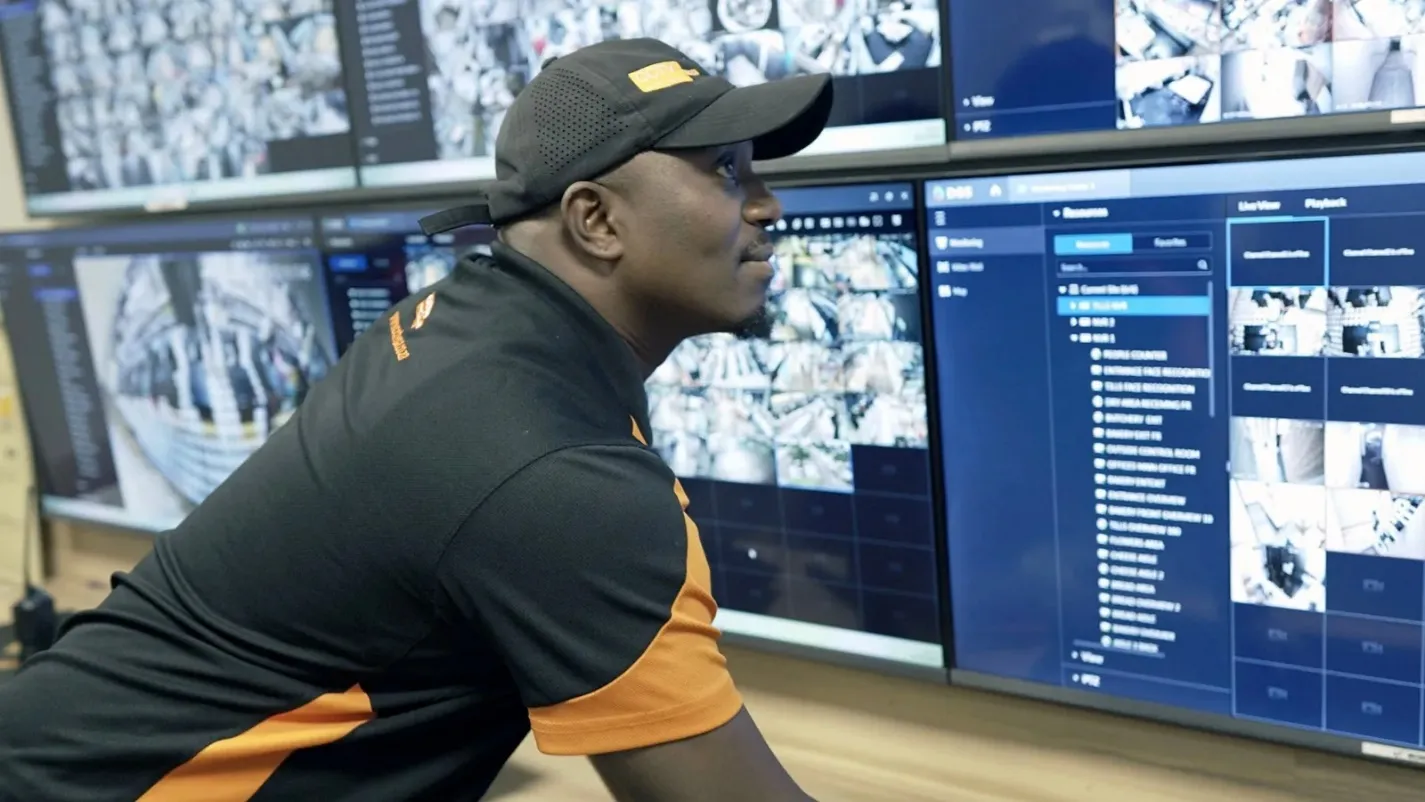
Security risks do not disappear when a business closes for the evening. Warehouses remain stocked, office buildings contain valuable equipment, and industrial facilities often operate with fewer employees overnight. Traditional CCTV cameras provide useful recordings, but footage alone may not alert anyone when suspicious activity occurs. This has encouraged more organisations to consider offsite CCTV monitoring as part of their broader security strategy. By connecting cameras to a professional monitoring centre, businesses can improve their ability to identify unusual activity and arrange an appropriate response.
The Limitations of Recording Footage Alone
A conventional CCTV system records activity within its field of view. When an incident occurs, investigators can review the footage to understand what happened. However, discovering a break-in the following morning may leave little opportunity to prevent further damage.
Remote surveillance introduces an additional layer of oversight. Rather than depending entirely on someone discovering recorded evidence, monitoring personnel can assess alerts as events unfold. This is particularly valuable for properties that remain unattended for extended periods.
Understanding How Remote Surveillance Works
An offsite security arrangement connects surveillance equipment at a property to a separate monitoring centre. Cameras and associated detection systems generate alerts when defined events occur, such as movement across a restricted perimeter.
Operators can then examine relevant footage, determine whether intervention is necessary, and follow an agreed response procedure. Depending on the situation, this may involve contacting keyholders, informing on-site security personnel, or coordinating with an authorised response provider.
Why Commercial Properties Need Different Solutions
Security requirements vary significantly between business environments. A retail outlet may be concerned about stock losses and access to storage areas, while a warehouse must manage delivery entrances, loading bays, and valuable goods.
Industrial facilities introduce additional considerations, including restricted equipment zones and large outdoor boundaries. A useful surveillance strategy begins with identifying these risks rather than installing identical camera arrangements throughout every property.
Key Features Worth Considering
Before selecting a monitoring service, business owners should understand the practical features that support dependable operations.
- Alert verification: Operators assess suspicious activity before initiating the response process.
- Camera coverage: Appropriate positioning helps reduce important blind spots.
- Connectivity resilience: Backup connections can limit disruption when primary networks fail.
- Response procedures: Clear instructions establish who should be contacted during an incident.
- System maintenance: Regular testing helps identify faults before they affect security.
These elements work together. Even sophisticated cameras are less effective when network problems or unclear response responsibilities interrupt the monitoring process.
The Role of Intelligent Video Analytics
Modern surveillance platforms increasingly incorporate video analytics to recognise specific movement patterns. Depending on the equipment and configuration, software may distinguish people from vehicles or identify activity in selected areas.
Such tools can help monitoring personnel prioritise relevant events instead of continuously reviewing numerous camera feeds. However, intelligent detection is not infallible. Camera placement, lighting, weather, and system configuration can influence accuracy.
Human verification therefore remains important, especially when an alert could lead to a security response.
Selecting an Experienced Security Provider
Commercial surveillance requires technical planning, reliable installation, and ongoing operational support. Businesses should ask how equipment will be maintained, whether existing cameras can be integrated, and how monitoring personnel handle incidents.
CCTV Security Surveillance is a South African security company established in 1967. Its services include integrated CCTV systems, offsite monitoring, access control, and video analytics. The company operates an in-house monitoring centre serving commercial and industrial environments.
Monitoring Should Support a Wider Security Plan
Remote surveillance performs best when combined with suitable physical and operational safeguards. Secure doors, access restrictions, adequate lighting, and trained personnel all contribute to the effectiveness of a property’s security arrangements.
Businesses should also review who can access recorded footage and how long it is retained. Clear internal policies support responsible surveillance practices and help organisations manage privacy obligations.
Regular security reviews are useful because property layouts and operating patterns change. New storage areas, additional entrances, or revised working hours may require adjustments to monitoring coverage.
Conclusion
Remote surveillance offers commercial property owners an opportunity to respond more effectively to security events rather than relying exclusively on recordings discovered afterwards. Its value depends on suitable camera placement, dependable connectivity, trained operators, and clearly defined response procedures. Businesses should assess their particular risks before choosing a system. Providers such as CCTV Security Surveillance demonstrate how monitoring can form part of a broader integrated security approach. When supported by maintenance and practical site procedures, remote monitoring can strengthen day-to-day security management without replacing other essential protective measures.