

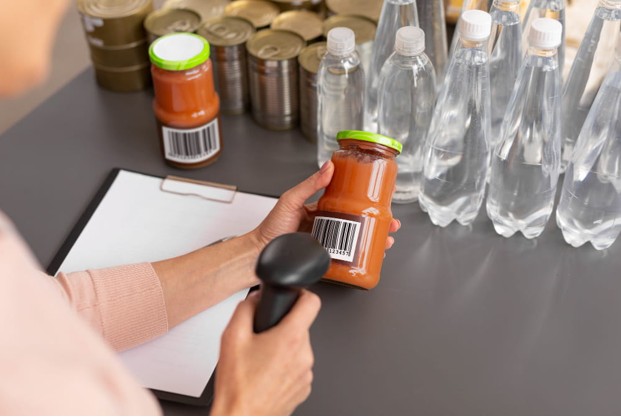
Pick up a product at a store and scan its label with your phone. Suddenly, it’s not just packaging anymore. It tells you where the product came from, how fresh it is, and sometimes even whether it’s been tampered with. That small, almost invisible shift is what smart labels are all about. They turn ordinary labels into something interactive, informative, and surprisingly powerful.
What Makes a Label “Smart”?
At first glance, a smart label might look like any other sticker or tag. But hidden inside is technology that allows it to store and share information. Smart labels typically use components like QR codes, RFID chips, or NFC technology. Each type works a little differently. QR codes need a scan, while RFID can be read automatically without direct contact. NFC sits somewhere in between, often used with smartphones for quick access.
The idea is simple. Instead of just printing static information, smart labels create a connection between the physical product and digital data. That connection opens up a lot of possibilities.
Why Businesses Are Paying Attention
There’s a reason smart labels are showing up everywhere from grocery stores to logistics hubs. They solve real problems. For businesses, tracking products becomes easier. Inventory management improves. Supply chains become more transparent. A product can be followed from manufacturing to the customer’s hands with much greater accuracy.
I came across Roots Analysis, and they mentioned that this market is “The global smart labels market, valued at USD 5.4 billion in 2025, is projected to reach USD 6.4 billion in 2026 and USD 24.0 billion by 2035, with a 16% CAGR during the forecast period 2026 to 2035.” That kind of growth usually means companies are seeing clear, practical benefits.
The Consumer Side of the Story
What’s interesting is how smart labels are quietly changing the way consumers interact with products. Imagine buying a bottle of juice and scanning the label to check its origin, nutritional details, or even authenticity. In industries like pharmaceuticals, this becomes even more important. Smart labels can help verify that a product is genuine and safe.
There’s also a growing demand for transparency. People want to know where things come from and how they’re made. Smart labels make that information accessible in seconds. It’s a small action, scanning a label, but it creates a sense of trust that traditional packaging can’t always provide.
Real-World Applications You Might Not Notice
Smart labels are already part of everyday life, even if they don’t always stand out.
-
Retail: Stores use RFID tags to manage inventory and reduce stock errors.
-
Food industry: Labels can track freshness or temperature exposure.
-
Healthcare: Medicines are monitored for authenticity and proper storage.
-
Logistics: Packages are tracked in real time during shipping.
In many cases, the technology works quietly in the background. You don’t see it, but it’s constantly improving efficiency.
The Technology Behind the Simplicity
What makes smart labels interesting is how much is happening behind such a small surface. RFID tags, for example, contain tiny chips and antennas that communicate with readers. These readers can scan multiple items at once, which is why warehouses rely on them heavily.
QR codes are simpler but still powerful. They act as gateways to digital platforms where detailed information is stored. Then there’s NFC, which feels almost seamless. Tap your phone, and the data appears instantly. No typing, no searching. Each of these technologies serves a different purpose, but they all share the same goal. Make information easier to access and use.
Challenges That Come With Innovation
Of course, it’s not all smooth sailing.
-
Cost considerations: Advanced labels can be more expensive than traditional ones.
-
Data security: More connectivity means more responsibility to protect information.
-
Standardization issues: Different systems may not always work together smoothly.
-
Adoption barriers: Some businesses are still hesitant to shift from familiar methods.
There’s also a learning curve for consumers. Not everyone is used to interacting with products in this way, though that’s changing quickly.
A Subtle Shift Toward Smarter Systems
What makes smart labels stand out is how subtle their impact can be. They don’t demand attention. They just make things work better.
For businesses, that means fewer errors and better control. For consumers, it means more information and confidence in what they’re buying. It’s one of those technologies that blends into daily life. You might not think about it much, but once it’s there, it’s hard to imagine going back.
Looking Ahead
As technology continues to evolve, smart labels are likely to become even more integrated into products and systems.
We might see labels that update in real time, or ones that interact with other smart devices. There’s also potential for deeper personalization, where products can share tailored information based on user preferences. It’s not about making labels flashy. It’s about making them useful.
Final Thoughts
Smart labels are a good reminder that innovation doesn’t always come in big, dramatic changes. Sometimes, it shows up in small details that quietly improve how things work.
A simple label becoming a source of real-time information might seem like a minor upgrade. But when you think about how many products move through the world every day, that small change adds up quickly.
In the end, smart labels are not just about technology. They’re about connection. Between products and people, between data and decisions. And that connection is shaping a more transparent and efficient world, one label at a time.