

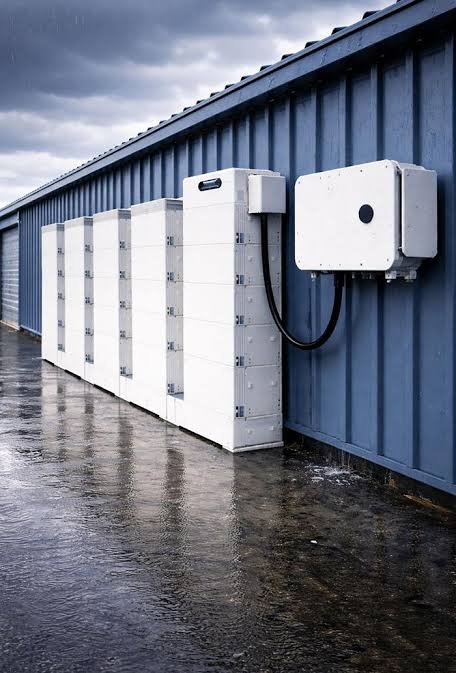
Homeowners often begin their renewable-energy journey by looking at rooftop panels, but battery storage is increasingly becoming part of the same conversation. Before arranging a solar system installation sydney, it is worth deciding whether the household wants solar only for now or prefers to prepare for battery storage from the beginning. The answer depends on electricity-use patterns, budget, plans and how much flexibility the homeowner wants from the overall energy setup.
There is no single approach that suits every property. Some households may benefit from installing solar first and gathering real usage data, while others already know that evening consumption or backup priorities make storage an important part of the project.
Understand What Solar Will Do on Its Own
A rooftop solar system generates electricity while sunlight is available. When the home is using electricity at the same time, some of that generation can be consumed directly. The amount of benefit a household receives from this direct use depends on daily routines. Homes with people working remotely, pool pumps, electric hot water or other daytime loads may naturally use more solar as it is generated.
Households with very low daytime demand may send more excess generation to the grid and then draw electricity again later in the evening.
Look Closely at Evening Consumption
Evening demand is one of the main reasons homeowners begin considering storage. Cooking, heating or cooling, entertainment systems and vehicle charging can all contribute to electricity use after solar generation has fallen. For households exploring solar battery storage in NSW, understanding this evening pattern is more useful than simply assuming that every solar home needs a battery.
Reviewing several electricity bills and, where available, interval consumption data can help show when electricity is actually being used.
Decide Whether to Install in Stages
Installing solar first can give homeowners time to understand how the system performs before deciding on storage.
After several months, they may have a clearer idea of how much electricity is being exported during the day and how much is imported later. This can provide useful information when assessing whether a battery is likely to suit the household.
A staged approach can also spread costs over time. However, homeowners should still discuss possible future battery plans during the initial solar design.
Think About Equipment Compatibility
Solar and battery systems involve more than choosing separate products. Depending on the system design, inverter type and battery technology, compatibility can affect how easily storage is added later. Homeowners who know they may want a battery should raise this during the initial quotation process. Planning can help avoid equipment choices that make a later upgrade unnecessarily complicated.
It is also worth discussing where a future battery might physically be installed and whether the proposed location will remain practical.
Consider Future Household Electrification
Battery planning should not happen in isolation. A household may later purchase an electric vehicle, replace gas appliances with electric alternatives or add more air conditioning. Each change can affect when and how much electricity the property uses.
A family expecting significant electrification over the next few years may have different solar and storage priorities from a household whose consumption is likely to remain stable.
Useful future considerations include:
-
electric vehicle charging;
-
induction cooking;
-
heat-pump hot water;
-
additional air conditioning;
-
home-office equipment; and
-
extensions or secondary dwellings.
Mentioning these plans early gives the installer a more complete picture.
Be Clear About Backup Expectations
Some homeowners associate batteries automatically with whole-home backup during a blackout. In practice, backup capability depends on the equipment, system design and how circuits are configured.
Anyone who considers backup power important should discuss exactly what they expect to remain operational during an outage. For example, keeping essential lighting, refrigeration and communications available is different from expecting every appliance in the house to continue operating normally. Clarifying these expectations before selecting equipment can prevent misunderstandings later.
Compare the Complete Energy Strategy
Homeowners should avoid comparing solar and battery proposals only on headline capacity or price. A useful proposal should explain how the system relates to household consumption, when stored energy is expected to be used and what future upgrades have been considered.
It should also make equipment specifications, installation scope, warranties and exclusions clear. Good planning is less about purchasing the greatest amount of technology and more about choosing equipment that fits the way the property operates.
Conclusion
Whether to install solar first or plan for battery storage at the same time depends on how the household uses electricity and what it expects from its energy system. Daytime consumption, evening demand, future electrification, equipment compatibility and backup expectations can all influence the decision. Some homeowners may prefer to collect solar-performance data before adding storage, while others may benefit from considering both from the outset. Discussing future battery plans during the initial solar design can preserve flexibility even when storage is postponed, helping the household make upgrades gradually without losing sight of its longer-term energy goals.