

Thinking of dropshipping in Italy? It’s legal—but only if you do it right. This guide breaks down everything you need to know. Dropshipping in Italy is on the rise, and it’s easy to see why. With access to the EU market and a growing online shopper base, Italy is full of potential for e-commerce entrepreneurs. But before you launch your store, there’s a key question you need to answer: Is dropshipping legal in Italy? The answer is yes—but it comes with certain legal responsibilities. In this post, I’ll walk you through everything you need to know to launch a fully compliant dropshipping business in Italy—from tax registration to local regulations and more.
What Is Dropshipping?
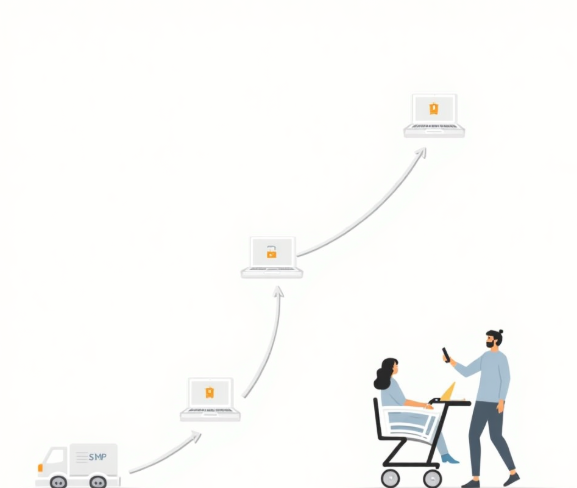
Dropshipping is a retail method in which store owners sell items without having inventory on hand. When a customer places an order, it is forwarded straight to a supplier who then sends the product to the buyer. This model allows you to operate an online business with minimal initial costs and eliminates the need for inventory management. It’s perfect for aspiring business owners; however, it’s still important to adhere to legal and tax regulations to remain compliant, particularly in Italy.
Is Dropshipping Legal in Italy?
Yes—dropshipping is legal in Italy, as long as you comply with the country’s ecommerce, tax, and consumer protection laws. Just like in other European Union (EU) countries, Italy follows strict regulations that aim to protect buyers and ensure transparency from sellers.
If you’re planning to start dropshipping in Italy, you won’t need to hold inventory or manage shipping—but you do need to make sure your business is compliant with Italian and EU regulations.
Key Points to Remember:
- Clearly disclose your identity as the seller, even if a third-party supplier is fulfilling orders.
- Ensure transparency about pricing, taxes, and shipping.
- Handle customer service, refunds, and returns yourself.
- Use product descriptions and policies written in Italian if targeting Italian customers.
- Comply with EU import laws if sourcing products outside the EU.
Essential Legal Requirements for Dropshipping Entrepreneurs in Italy
Before launching your online store, make sure your business aligns with these core legal requirements:
- Business Registration
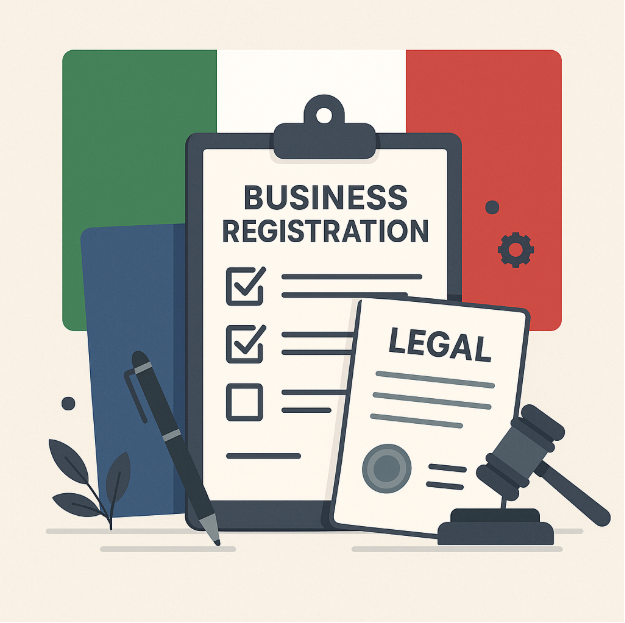
You must register your business with the Registro delle Imprese (Business Register) and get a Partita IVA (VAT number).
- Legal Disclosures
Your website must include legal pages like
- Terms and Conditions
- Privacy Policy (GDPR-compliant)
- Return and Refund Policy
- Shipping Policy
- Invoicing and Record-Keeping
You’re legally required to issue invoices and keep detailed financial records.
- Platform-Specific Compliance
Platforms like Amazon, eBay, or Shopify may have their own seller rules, so ensure you’re following their dropshipping policies.
Taxation Framework for Italian Dropshipping Businesses
Taxes are a crucial aspect of staying compliant. Here’s what you need to handle:
- VAT (IVA): If you sell within the EU, you must charge and remit VAT based on customer location.
- Income Tax: File annual income tax returns as a self-employed individual or business entity.
- Import Duties: If your supplier is outside the EU, imported products may be subject to customs duties.
To simplify compliance, consider hiring an Italian accountant who understands ecommerce taxation.

Navigating Consumer Rights and Product Regulations
Italy (and the EU) offers strong consumer protection. As a dropshipper, you’re legally seen as the seller of record, meaning you’re responsible for:
- Accurate product descriptions
- Safe and compliant products
- Returns and refunds (within 14 days)
- Customer support
You must also comply with EU regulations for product labeling and safety certifications.

Common Legal Pitfalls and How to Avoid Them
Avoid these common mistakes that can get your business into trouble:
- Selling counterfeit or unverified products
- Misleading advertising
- Ignoring platform policies
- Poor handling of returns or refunds
- Failing to pay VAT or income taxes
Tip: Work only with verified suppliers and always double-check the legalities of the products you’re selling.

Setting Up a Compliant Dropshipping Business in Italy
To wrap it up, here’s a simple checklist:
- ✅ Register your business and get a VAT number
- ✅ Choose a reliable dropshipping supplier (ideally EU-based)
- ✅ Add legally required pages to your website
- ✅ Use clear, honest product listings
- ✅ Keep financial records and file taxes
- ✅ Stay updated with Italian and EU ecommerce regulations
https://cdn.imagevisit.com/2025/07/02/Screenshot_8.png
Conclusion
Dropshipping in Italy is a perfectly legal and promising business model—as long as you play by the rules. By staying informed, getting the right registrations, and taking consumer rights seriously, you’ll set yourself up for long-term success.
Always consult a local tax advisor or legal expert before launching, and make sure you stay updated with changes to ecommerce laws in the EU. Ready to launch your dropshipping business in Italy?
Make sure you comply with all local regulations and start smart. Start your store with Shopify today